Over the years, Amilia has become the leading platform in Canada for activity registration software and recreation management. But in recent years, many organizations and municipalities have found themselves facing a dilemma:
In this article, we share an analysis of Amilia’s advantages and drawbacks gathered from administrators who used the platform (I also used Amilia myself for more than seven years). We also explore when Activity Messenger becomes a logical alternative—or simply a complementary tool to Amilia.
| Feature | Amilia | Activity Messenger |
|---|---|---|
| Origin | 🇨🇦 Canada-based software | 🇨🇦 Canada-based software |
| Registration Model | ⚠️ Portal + mandatory Amilia account creation | ✅ Registration through a form—no account creation required (account is created automatically) |
| Mobile Experience | ⚠️ Course catalogue sometimes viewed as poorly adapted for mobile | ✅ Registration process designed first and foremost for smartphones |
| Activity Bookings | ✅ Often structured by session | ✅ Flexible: by session, event, or single class |
| Billing & Accounting | ✅ Invoices, credit notes, accounting exports, RL-24 | ✅ Advanced billing & payments, exports; RL-24 |
| Facility Management | ✅ Module for rentals and facility bookings | ✅ Module for rentals and facility bookings with contract signatures and online reservations |
| Email Marketing | ⚠️ Basic email sending; cannot contact the second parent. Integration with CyberImpact ($) | ✅ Newsletters, segmentation, open-rate stats, targeted follow-ups by client status; personalization via merge fields; can target both parents |
| SMS/Texting | ❌ Not included. Integration with Pidji ($) | ✅ Integrated texting, automatic reminders, segmenting by attendance list |
| Surveys | ❌ Not available; must use SurveyMonkey | ✅ Built-in survey creation + automations (ex: end-of-session survey) |
| Digital Signatures | ✅ Allows online document signing | ✅ Allows digital signatures for rental contracts, risk waivers, health forms, etc. |
| Automations | ⚠️ Some automations but more limited | ✅ Advanced automations (start/end of session, events, marketing campaigns, etc.) |
| Onboarding | 💲 Structured setup, training, and support ($) | ✅ Progressive and free onboarding; can start with a few modules (newsletters/SMS or forms) before fully switching |
👉 Want to compare more software? Here’s the list of the 6 Best Online Registration Software Platforms.
It would be unfair to talk about Amilia without highlighting its strengths. Hundreds of clients in Canada use and enjoy the platform, making it one of the most widely used tools in the province. I personally loved using it for many years.

Amilia offers many options, such as:

Sports clubs that run on seasonal sessions (fall, winter, spring) appreciate the structured, predictable registration flow.
Amilia has a strong track record with PCI compliance, tax management, and payment processing—reassuring for many organizations.
The platform is well established locally. Thousands of staff and volunteers already know how to use it, which reduces friction during staff transitions.
Although the tool is powerful, many managers have mentioned certain limitations during demo calls. I’ve also experienced both the strengths and the frustrations firsthand. Here are the main challenges clients encounter, along with feedback shared by organizations that switched from Amilia to Activity Messenger.
The registration experience is complete but often too cumbersome for parents—especially on mobile.
Common pain points:
In 2025, online registration must be simple, fast, and mobile-friendly.
A heavy workflow means higher abandonment rates—and that impacts revenue.
Many administrators say:
“We wish it looked more modern and aligned with our brand.”
The interface isn’t bad, but it lacks the fluidity of newer platforms and keeps Amilia’s branding instead of yours.
Parents compare everything to Amazon, Duolingo, or Uber. Your registration system needs to keep up with modern UX expectations.

A very common reality:
“We use Amilia for registrations… CyberImpact for newsletters… Eventbrite for events… SimpleTexting for emergencies… and SurveyMonkey for surveys.”
The issue? 5 tools =
Amilia simply wasn’t designed as a communication or form-building tool—it’s an administrative system. So users often resort to complementary (often American) tools.
Organizations now want to automate:
Amilia can send confirmation emails and manual reminders—but that’s it.
This is far from the advanced workflows seen in modern platforms.
Activity Messenger is also a Canadian-built registration platform, but with a very different philosophy.

Its goal isn’t just to be “an alternative to Amilia,” but to modernize recreation management by focusing on three core elements:
Where Amilia excels in structure and administrative depth, Activity Messenger focuses on speed, conversion, communication, and automation—exactly what many studios, clubs, and schools were missing.
One of Activity Messenger’s biggest paradigm shifts:
Parents are never redirected to an external portal.

How it works:
Results:
It’s a modern, e-commerce-inspired model adapted for sports and recreation.
If Amilia handles registration and billing well, many organizations still add outside tools for:
Activity Messenger brings all of this into one platform.
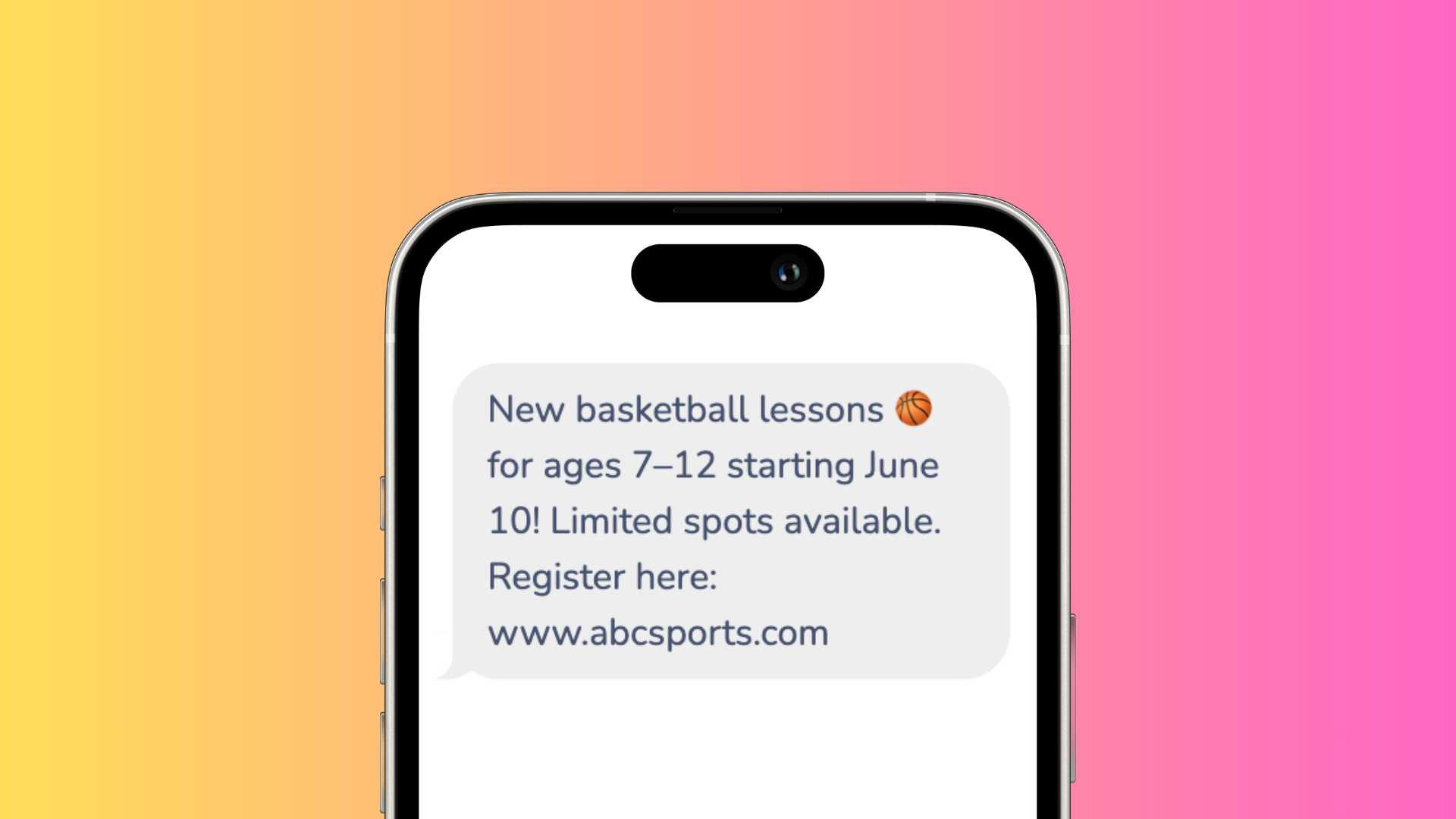
You get:
This allows organizations to replace 3 to 5 tools and finally centralize their data.
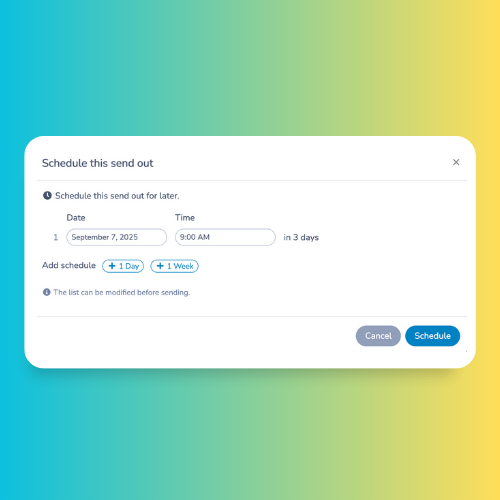
These small touches transform both the parent experience and your team’s workload.
Activity Messenger sets itself apart with its flexibility.
Where Amilia’s forms follow a more rigid structure, AM lets you build:
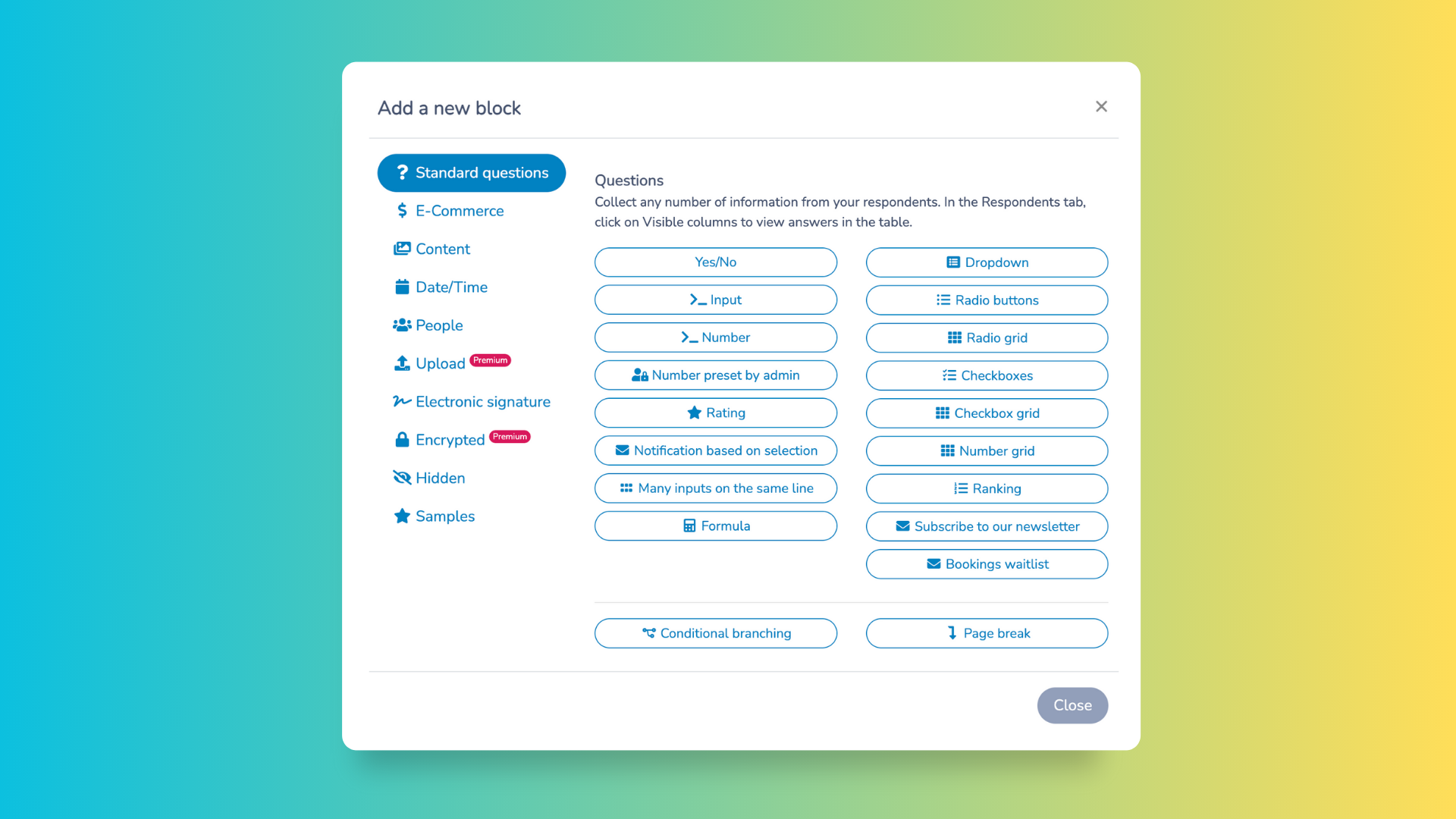
Activity Messenger also supports participant management:
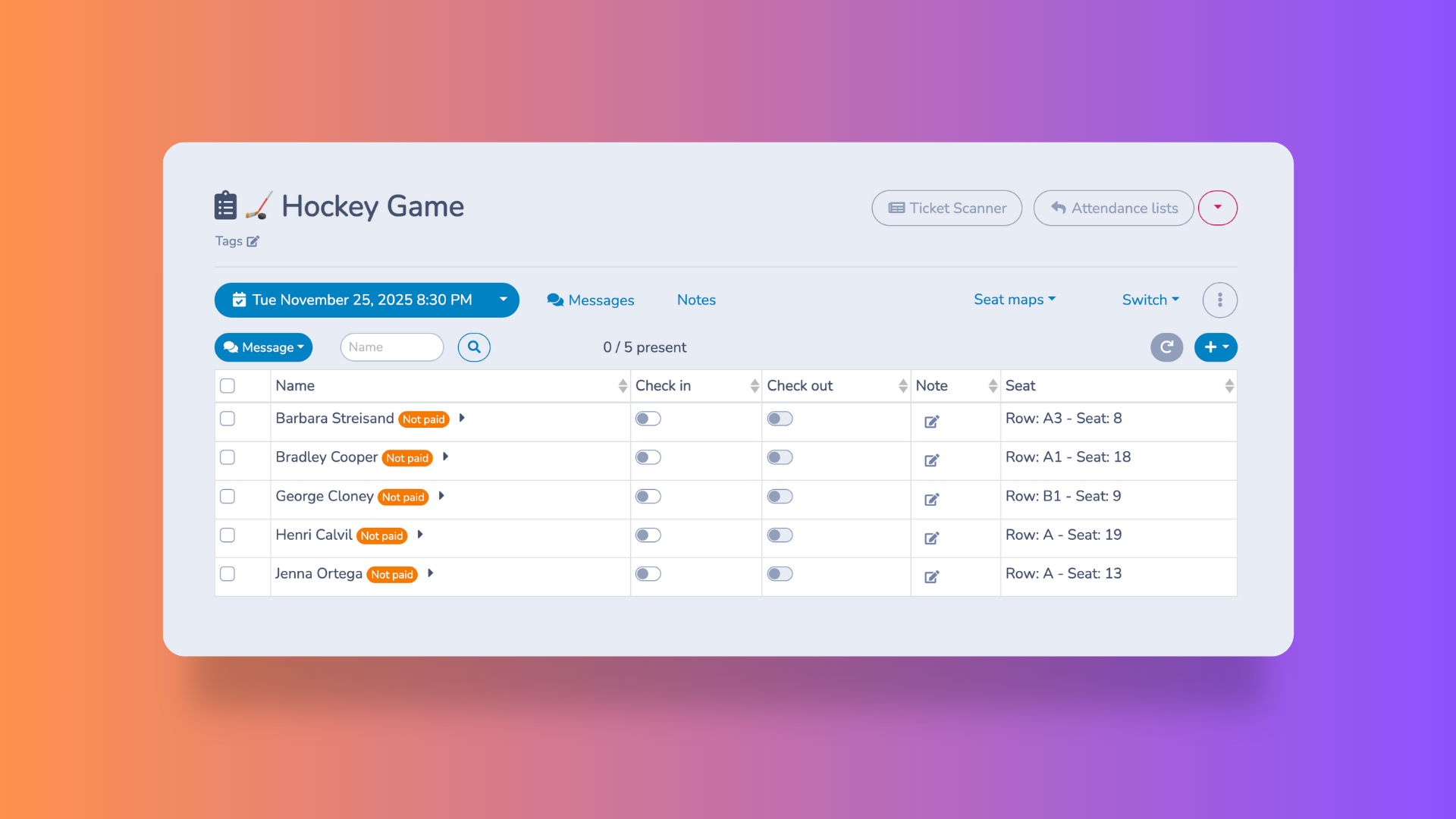
All of this replaces what many organizations manage across multiple tools.
Like Amilia, Activity Messenger prioritizes:
Both platforms share this key advantage over non-Canadian and American tools.
Amilia is still a strong solution if:
Even organizations well-established on Amilia often want to modernize certain parts of their operations.
Activity Messenger is a strong complement for:
In other words, Amilia handles administrative registration, while Activity Messenger modernizes client experience and communication.
This approach has a huge advantage:
👉 You don’t have to switch registration systems overnight.
It allows you to:
Most organizations follow a predictable path:
The move is natural, simple, and disruption-free.
Example: You can utilize Amilia for class registrations, but take advantage of Activity Messenger’s features for bookings and facility management to enjoy the best of both systems.
Activity Messenger becomes a full replacement when your challenges look like this:
At that point, many organizations ask:
“Does it still make sense to pay for so many separate tools that don’t talk to each other—when one platform can centralize everything?”
If you’re looking for an Amilia alternative that offers stronger communication tools, mobile-first registration, and automation, Activity Messenger is a top Canadian-built option. It centralizes forms, SMS, newsletters, billing, and attendance in one platform while offering a more modern parent experience.
Yes. Many organizations switch to Activity Messenger in full when they want simpler mobile registration, integrated communications, and fewer third-party tools. However, others use Activity Messenger as a complement to Amilia for newsletters, SMS, surveys, and digital forms without replacing their registration system right away.
Yes. Many organizations use Activity Messenger as a complement to Amilia. While Amilia manages structured registration and billing, Activity Messenger handles communications, SMS alerts, newsletters, surveys, forms, and ticketing. This lets you modernize parent experience without switching platforms immediately.
Organizations often seek an Amilia alternative because Amilia requires portal logins, has a heavier mobile workflow, and does not include built-in email, SMS, or survey tools. This leads to multiple disconnected systems and more administrative workload. Newer platforms streamline communication and automate more post-registration tasks.
Both platforms support registrations, payments, and facility bookings. However, Activity Messenger offers stronger communication tools, advanced automations, built-in SMS, flexible form-building, and a mobile-first design. Amilia, on the other hand, remains strong in structured session-based programming and municipal workflows.
Yes. Activity Messenger is designed mobile-first and does not require families to create an account or enter a portal before registering. Fewer steps mean higher conversion rates and fewer abandoned registrations, especially for parents registering from their phone.
You should consider switching if your main challenges involve communication, marketing, automation, or administrative workload. If your team relies on multiple tools (Mailchimp, CyberImpact, SurveyMonkey, SimpleTexting), consolidating them into Activity Messenger can reduce costs and streamline your operations.
Amilia is a solid, well-established tool in Canada’s recreation sector, especially for municipal organizations.
But if your day-to-day challenges include:
Then Activity Messenger offers a modern, mobile-first, all-in-one alternative—whether as a complement or full replacement.
💡 Ready to centralize your tools, save time, and improve your participant experience? Book a demo with Activity Messenger today.