Starting a swim school is a venture that combines an entrepreneurial spirit with a passion for teaching and water safety. It’s also one of the few businesses where your product is trust: parents are handing over their child and expecting them to come out of the water safer and more confident than when they went in.
Getting there takes more than a pool and a schedule: it takes a solid plan, the right team, and systems that hold up once enrolment picks up.
Below, we take a closer look at each step required to open a swim school, including the tools you’ll need once students start signing up.
Key Takeaways:
- Most swim school failures trace back to weak planning, not weak swimming instruction. Get your pricing, target market, and services locked down before you sign a lease.
- Where you hold lessons determines your ceiling. A rented slot at a community pool caps your growth differently than a dedicated facility or a mobile setup.
- Parents are vetting your certifications before they ever consider a lesson. Lifeguard training, insurance, and safety protocols are often the deciding factor, not your pricing.
- Instructor turnover is expensive and visible to parents. Invest in training and flexible scheduling, since replacing a well-liked instructor mid-term costs you renewals.
- No single marketing channel carries a swim school. Email lists, early-bird pricing, and local SEO each attract a different type of family, and you need all three running at once.
- Manual admin work is where costs add up. Waivers, attendance, and progress tracking eat staff hours that automation can give back.
- Enrolment dips are a signal, not a mystery. Track your numbers term over term so you catch pricing or scheduling problems before they become a pattern.
Table of Contents
- Should You Start a Swim School?
- Step 1: Develop Your Business Plan
- Step 2: Find the Right Location
- Step 3: Obtain Necessary Licenses and Insurance
- Step 4: Attract and Hire Qualified Staff
- Step 5: Market Your Swim School
- Step 6: Use Technology to Enhance Your Operations
- Step 7: Monitor and Adapt
- Frequently Asked Questions
- Final Thoughts
Author’s note: I’m Olivier, and I share the tips and tricks that I’ve learned over the last decade as the owner of a kids’ sports program. Today, as the co-founder of Activity Messenger, I help swim schools across the U.S. and Canada streamline their operations, improve their communication with families, and increase revenue.
Should You Start a Swim School?
Running a swim school looks like teaching kids to swim. Most of the job is actually somewhere else entirely: staffing, scheduling, compliance paperwork, and juggling calls from parents at hours you didn’t plan for.
A few questions worth sitting with before you commit:
- Can you manage a team of instructors through no-shows, sick days, and turnover?
- Are you prepared for a business where September and January look nothing alike financially?
- Will you keep up with certifications, insurance renewals, and safety audits even when things are busy?
- Are you ready to have direct, sometimes uncomfortable conversations with parents about a child’s progress or behaviour?
None of this is a reason to skip the idea. It’s a reason to go in with your eyes open and to build the systems below before you need them, not after your first difficult week. If you answered yes, you’re in the right place. Let’s build your swim school properly.
Step 1: Develop Your Business Plan
A solid business plan is your roadmap to success. It should clearly define what you need to do to open your swim school:
- Mission and Vision: Understand what your swim school wants to accomplish beyond profit. For example, to promote safety and confidence in the water.
- Market Analysis: Determine the demographics of your target market, including age range, geographic location, and current demand for swim lessons. Research competitors to understand what they offer and identify gaps.
- Services Offered: Decide whether you want to offer group lessons, private lessons, competitive training, or specialty classes like water aerobics or parent-and-tot.
- Pricing Strategy: Set prices that are competitive but profitable. Consider different levels of pricing or packages.
- Marketing and Sales Strategy: Outline how you’ll attract families to your programs and how you’ll keep them enrolled term after term.
- Financial Plan: Include start-up costs, ongoing expenses, projected revenue, and a break-even analysis. This is crucial for securing funding or investors.

Step 2: Find the Right Location
Choosing the ideal location for your swim program is a decision that can significantly impact its success.
Mini-scenario: You sign a lease on a shared community pool, only to find out afterward that the pool’s hours barely cover your busiest lesson slots, and there’s no storage for your equipment between sessions.
Renting Space to Start a Swim School
You can minimize your initial investment by partnering with community centres, local schools, or facilities that already have pools. This lets you leverage an established audience and infrastructure while avoiding the cost of building and maintaining a pool. Negotiate terms that provide you with sufficient hours and confirm that the facility meets your program’s needs without disrupting the host’s schedule.

Building a Swim Facility
This requires a larger financial commitment but gives you complete control over how the pool looks, functions, and operates. Customizing a facility for your lessons can enhance the customer experience and let you offer more classes or special events than a shared space allows.
It requires careful planning, from securing funding to designing a facility that’s user-friendly and up to code, but gives you freedom over everything from pool depth and lane width to heating and accessibility.
Starting with Mobile Swimming Lessons
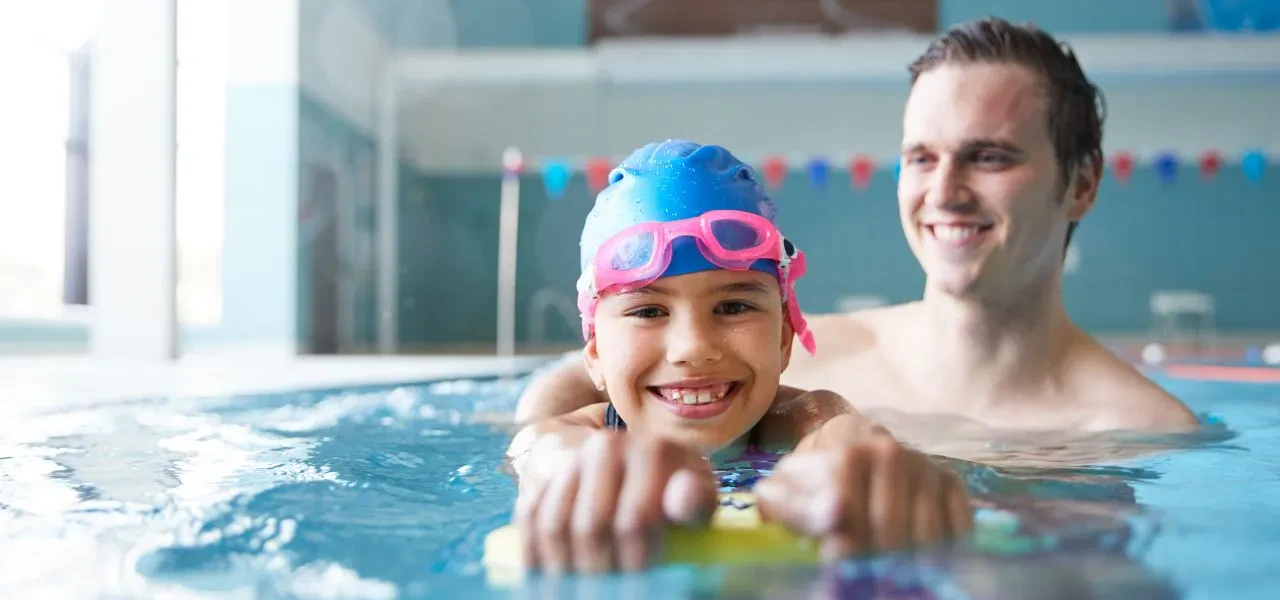
This model lets you deliver lessons at your customers’ locations, such as private or community pools. It minimizes overhead since there’s no facility to maintain or rent, and it appeals to families who prefer lessons in their own pool.
It requires solid logistical planning and local marketing to keep a steady flow of clients, and it’s ideal for a low initial investment.

Opening a Swim School Franchise
Franchising is a strong way to enter the industry. Look for franchises offering comprehensive support, including marketing assistance, operational training, and an established curriculum.
Brands such as Goldfish Swim School, Big Blue Swim School, UrSwim, British Swim School, Baby Otter Swim School, and Aqua-Tots Swim Schools are known for structured programs and strong community presence. These franchises streamline the start-up process with turnkey solutions and ongoing support for safety and instructional standards.
Key Considerations When Opening a Swim School
Regardless of the type of venue you choose, there are several factors that are important to consider when deciding:
- Visibility and Accessibility: Choose a location that’s easy to find and easy to access. You can increase enrolment by providing good visibility from major roads, ample parking, and access to public transportation.
- Competition: An analysis of the local market for competition is essential. You may be able to reduce competition and capture more of the market by choosing an area with fewer nearby swim schools.
- Safety and Compliance: A non-negotiable factor is compliance with local zoning and building codes. In addition, it is important to ensure that the facility meets all safety standards to protect your customers and employees, as well as for insurance purposes.
By carefully weighing these options and considerations, you can make a strategic choice that aligns with your business goals and budget. This will ensure a solid foundation for building a successful swim school.
Step 3: Obtain Necessary Licenses and Insurance
Compliance is about more than meeting regulatory standards. It builds trust and credibility with the families you’re asking to trust you with their kids.
Mini-scenario: A parent calls ahead of registration to ask whether your instructors are certified lifeguards. Without a clear answer on hand, they register with the school down the street instead.
Business License
It is essential to obtain the appropriate business license from your local city or county in order to legally operate a swim school. This process may vary depending on where you live, so it’s important to check with local government websites or offices to understand the specific requirements. Having a business license ensures you’re operating legally and gives your school credibility with customers and partners.
Health and Safety Certifications
Maintaining strict health and safety standards is paramount in any business that involves water activities. This includes obtaining certifications, such as water quality testing to ensure the pool is free of harmful bacteria, and maintaining proper chemical levels.
To respond effectively to incidents, you’ll also need emergency response plans and possibly lifeguard certifications. These certifications are often a deciding factor for parents or guardians when choosing a swim school, as they demonstrate your commitment to your customers’ well-being.
Insurance
The right insurance coverage protects your business. It provides peace of mind for you and your customers. Liability insurance covers injuries that may occur on your premises or while you’re operating.
If you own your aquatic facility, property insurance will protect the physical assets of your business from damage caused by a variety of perils, such as fire or flood. Workers’ compensation insurance is required by law in many places if you have employees. It protects your employees and your business from unforeseen accidents by covering medical expenses and some lost wages for employees injured on the job.

Step 4: Attract and Hire Qualified Staff
Instructors are the cornerstone of your small business. They directly impact the quality of your swim instruction and your customers’ overall experience. Learn how to make sure you have the right team in place.
Mini-scenario: Your most experienced instructor calls in sick the morning of a fully booked Saturday. Without a back-up plan or a clear staffing buffer, you’re left rescheduling six families at once.
Swim Certifications
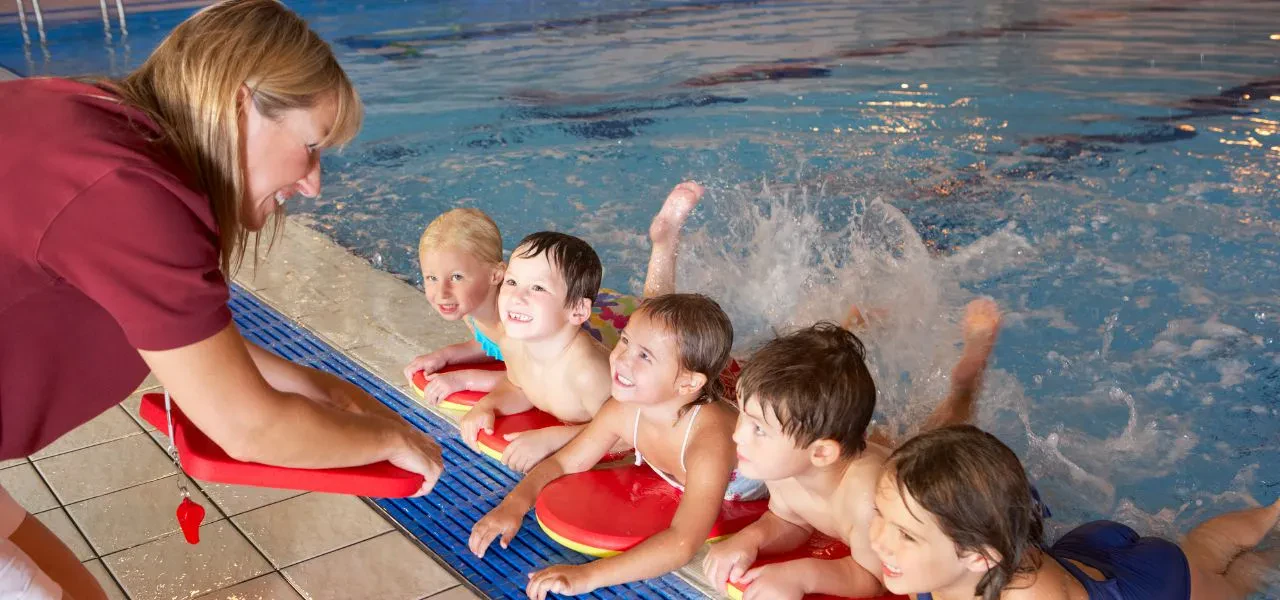
It is important to ensure that all swim instructors are certified by a reputable organization such as the American Red Cross or your country’s national organization. These certifications ensure that the instructors understand the latest safety protocols and how to teach. That builds credibility for your school and reassures parents their children are in capable hands.

Experience and Skills
Look for swimming instructors who have a solid background in both swimming and teaching that goes beyond their basic certifications. Experience with children is especially important if they are your primary clientele. These instructors are better equipped to engage young swimmers and be patient with their needs.
Background Checks
Conducting thorough background checks on your swim instructors is non-negotiable. This step ensures that all employees are trustworthy and have no history that could jeopardize your swimmers’ safety. Background checks should include criminal records, past employment verification, and references.
Attracting Young Talent
Using insights from your blog on hiring Gen Z employees, consider creating a dynamic work environment that appeals to younger swim instructors. Gen Z values workplaces that are inclusive, tech-savvy and socially responsible. Emphasize opportunities to grow and learn, such as ongoing training and the potential to take on more responsibility or advance to more senior roles within your small business.
How to Retain Swim Instructors
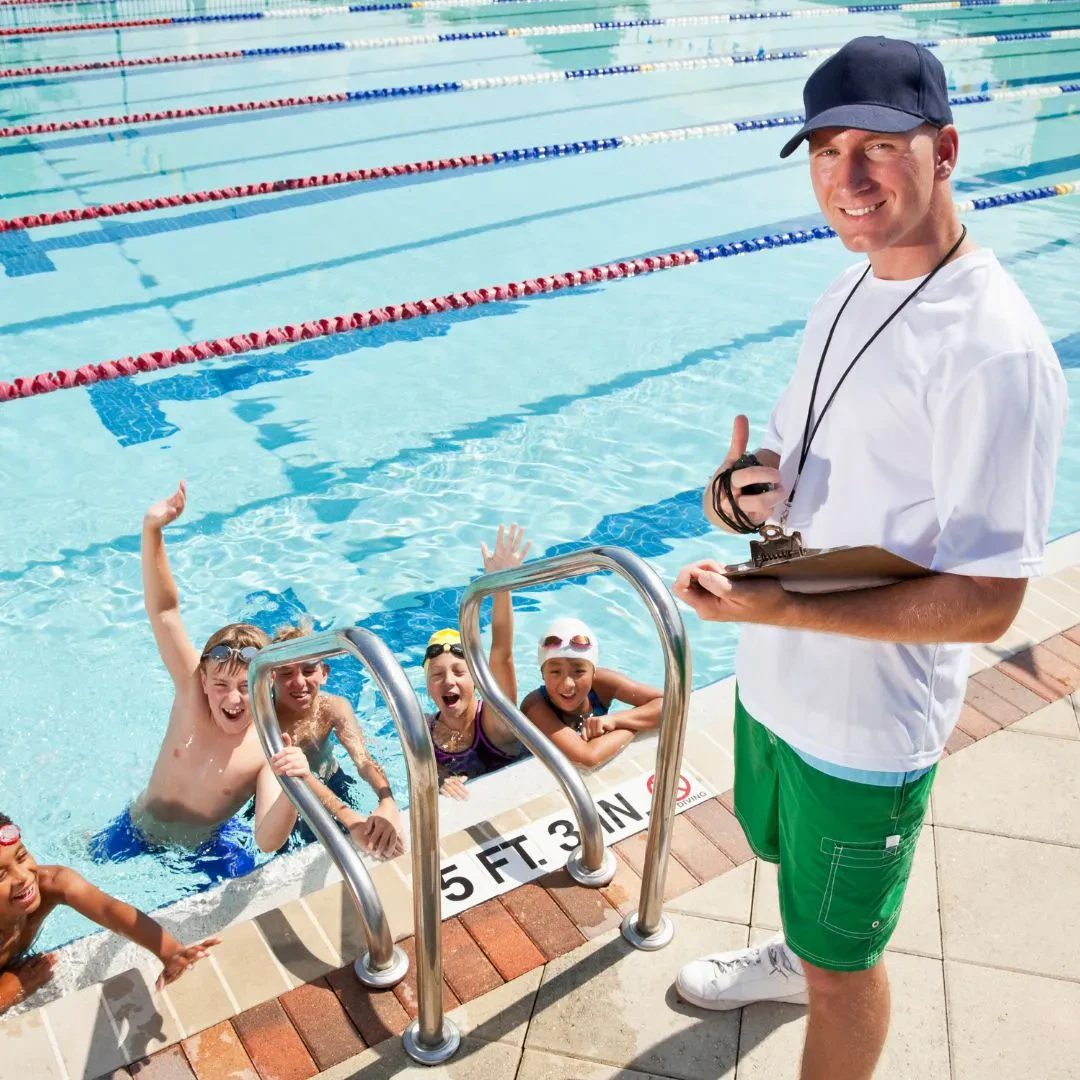
Your swim school should foster a culture of feedback and recognition in order to retain your swim instructors. Regular check-ins, performance reviews, and open communication channels can help keep Gen Z employees engaged and satisfied. Additionally, to retain younger workers who value flexibility and autonomy in their jobs, flexible scheduling and understanding their need for work-life balance are critical.
Integrating these strategies creates an environment that attracts and retains top performers. This ensures a higher standard of swimmer instruction, which leads to a better overall customer experience.
Step 5: Market Your Swim School
Effectively marketing your swim school business requires a multi-faceted approach to reach prospects and convert them into loyal students. With a mix of digital and traditional marketing strategies, you can build awareness and drive conversion to your swimming lessons.
Here’s an in-depth look at some key marketing ideas for swim schools:
Email Marketing
- Build an email list by capturing emails during registration or on your website.
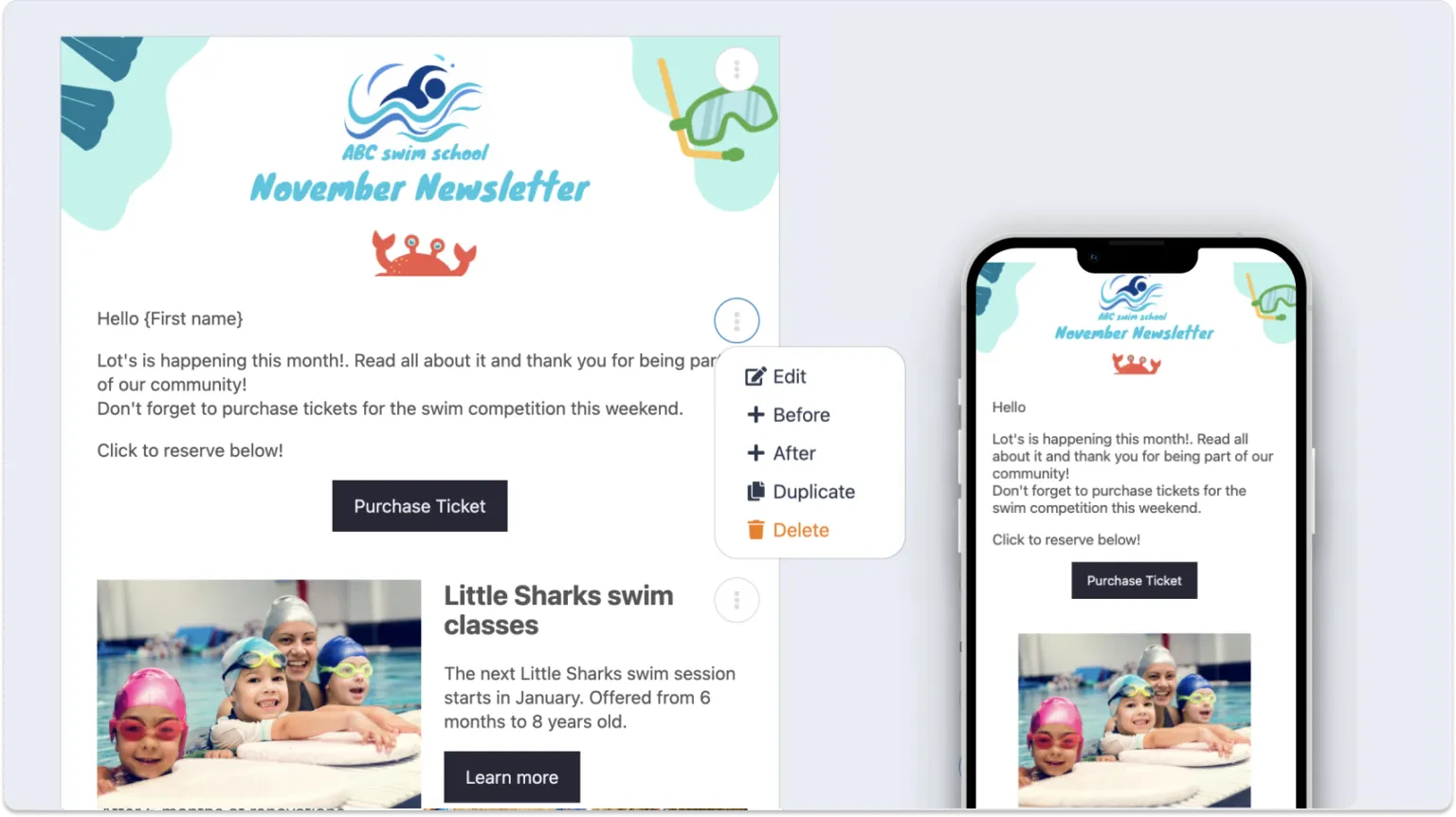
- Keep your audience engaged by sending regular newsletters with updates, success stories, and upcoming events.
- Use segmented email campaigns to target specific audiences with personalized offers and content, such as toddler programs, teen competitive training, or adult swim lessons.
Offer an Early Bird Discount
- Encourage early registration by offering discounts to those who pre-register.
- Be sure to promote the early-bird discount across all your marketing channels to maximize exposure.
- Consider tiered pricing: Offer discounts that decrease in size as the start date approaches to create a sense of urgency.
Social Media Marketing
- Engage with families and prospects on Facebook, Instagram, and X (Twitter).
- To attract and retain followers, post engaging content. Examples include class photos and videos, swimming tips, and student highlights.
- Run social media contests in which participants can win free lessons or other prizes in exchange for sharing your content or tagging a friend.
Free Swim Lessons
- Offer a free introductory lesson to attract new students who may be hesitant to commit to a full session.
- Use free lessons as a promotional tool during community events
- Collect feedback after these sessions to improve your offerings. Use special follow-up offers to convert participants into paying clients.
SEO and Content Marketing
- Optimize your website with relevant keywords such as: “swim school in [your city],” and “kids swim lessons” to improve search engine rankings.
- Publish content such as blog posts about swimming techniques, the health benefits of swimming, and how to prepare kids for their first swim lesson.
Pay Per Click (PPC) Ads
- Run PPC campaigns on Google and social media to target specific audiences based on location, interests, and more.
- Monitor and adjust bids and ads based on performance.
Step 6: Use Technology to Enhance Your Operations
Integrating technology into how a new swim school operates can significantly impact both business efficiency and the overall customer experience.
Mini-scenario: Parents are still filling out paper waivers at the front desk, staff manually track progress on clipboards, and reminder calls eat up hours each week. A digital system replaces all three at once.
An online platform like Activity Messenger helps you with:
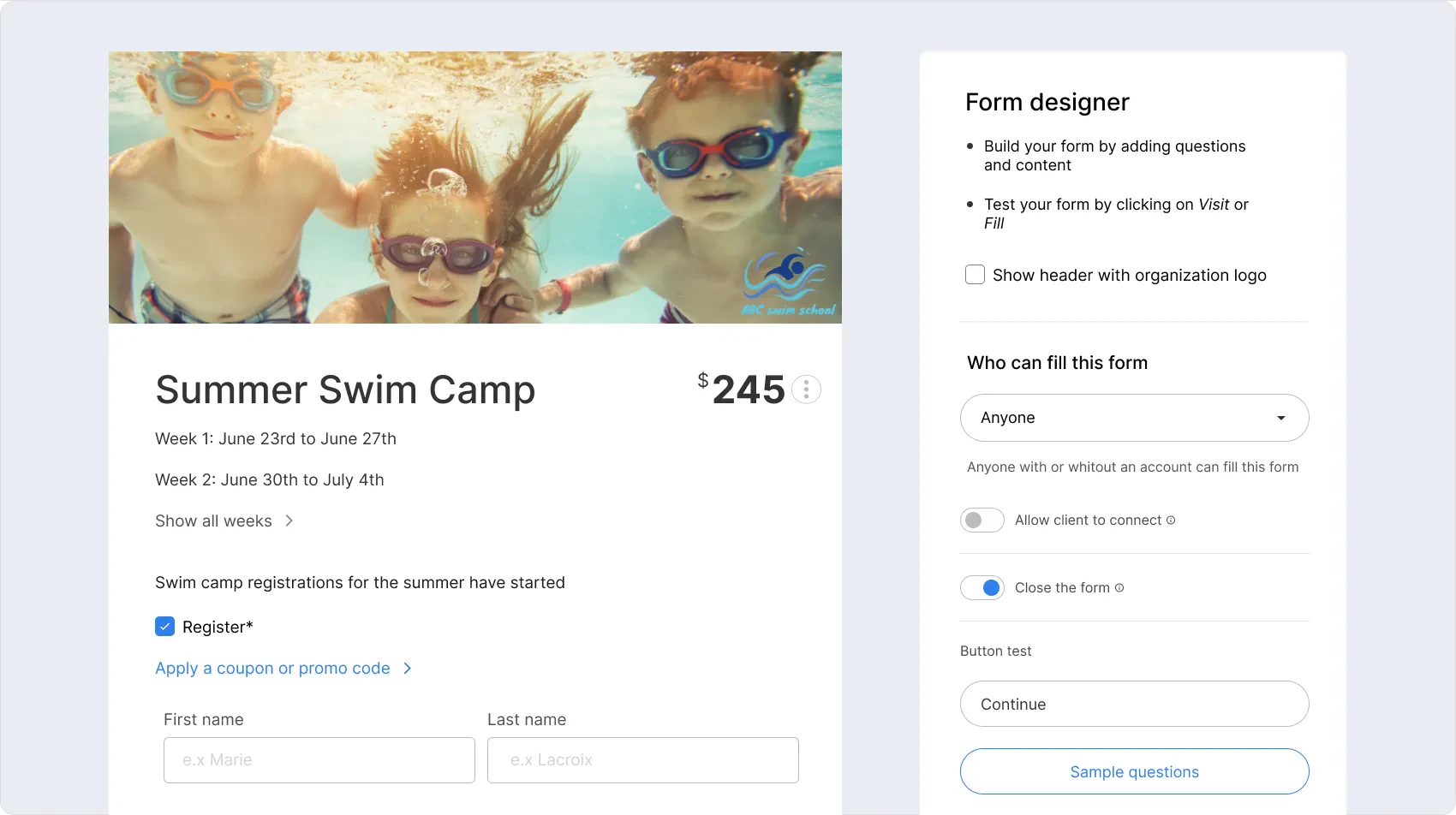
Simple Registration Forms
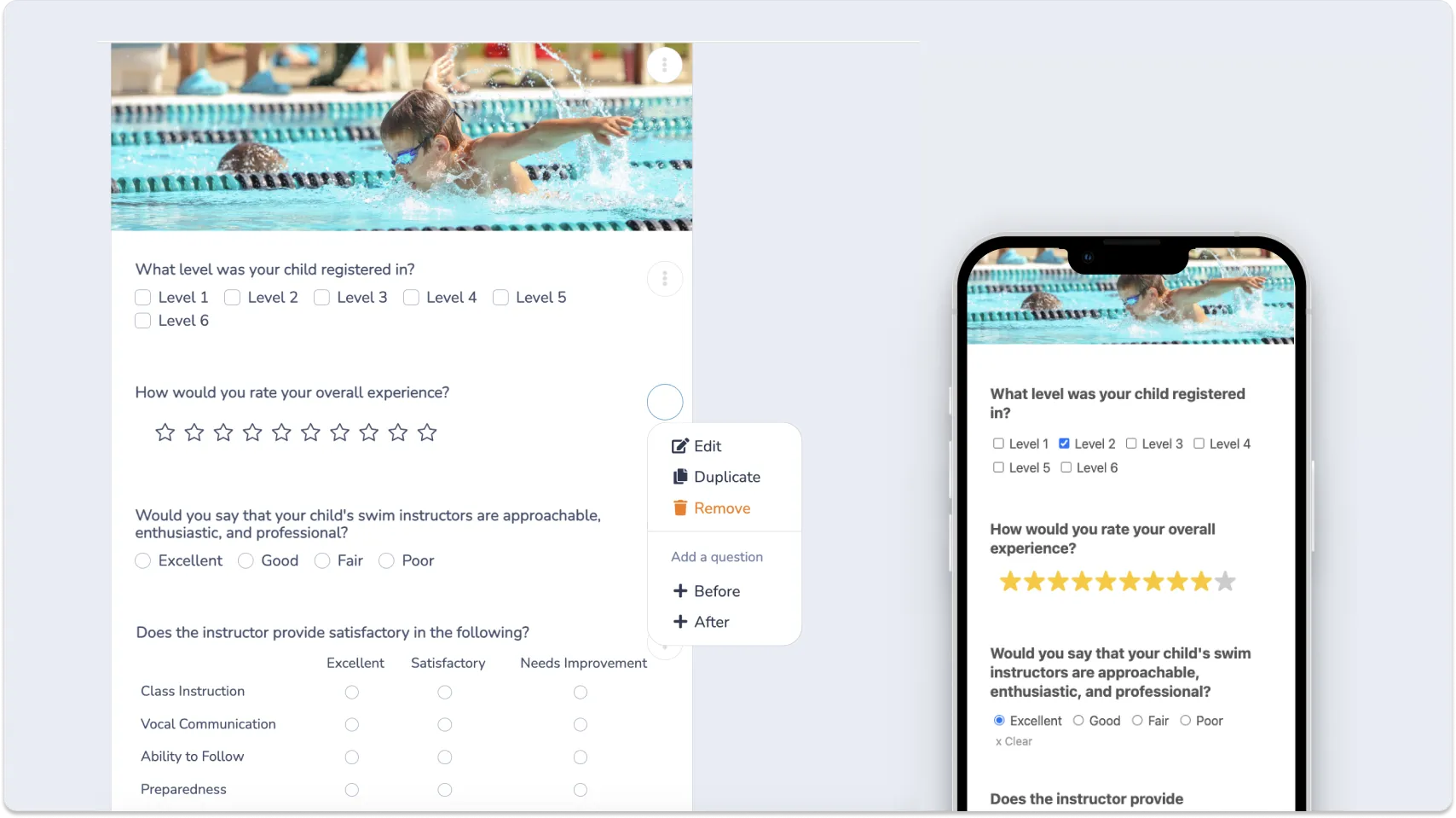
You can get started with Activity Messenger by setting up swim lesson registration forms. Activity Messenger provides an intuitive interface that makes it easy for parents to register their children for swim lessons. This ease of use helps speed up enrolment and reduces administrative tasks.
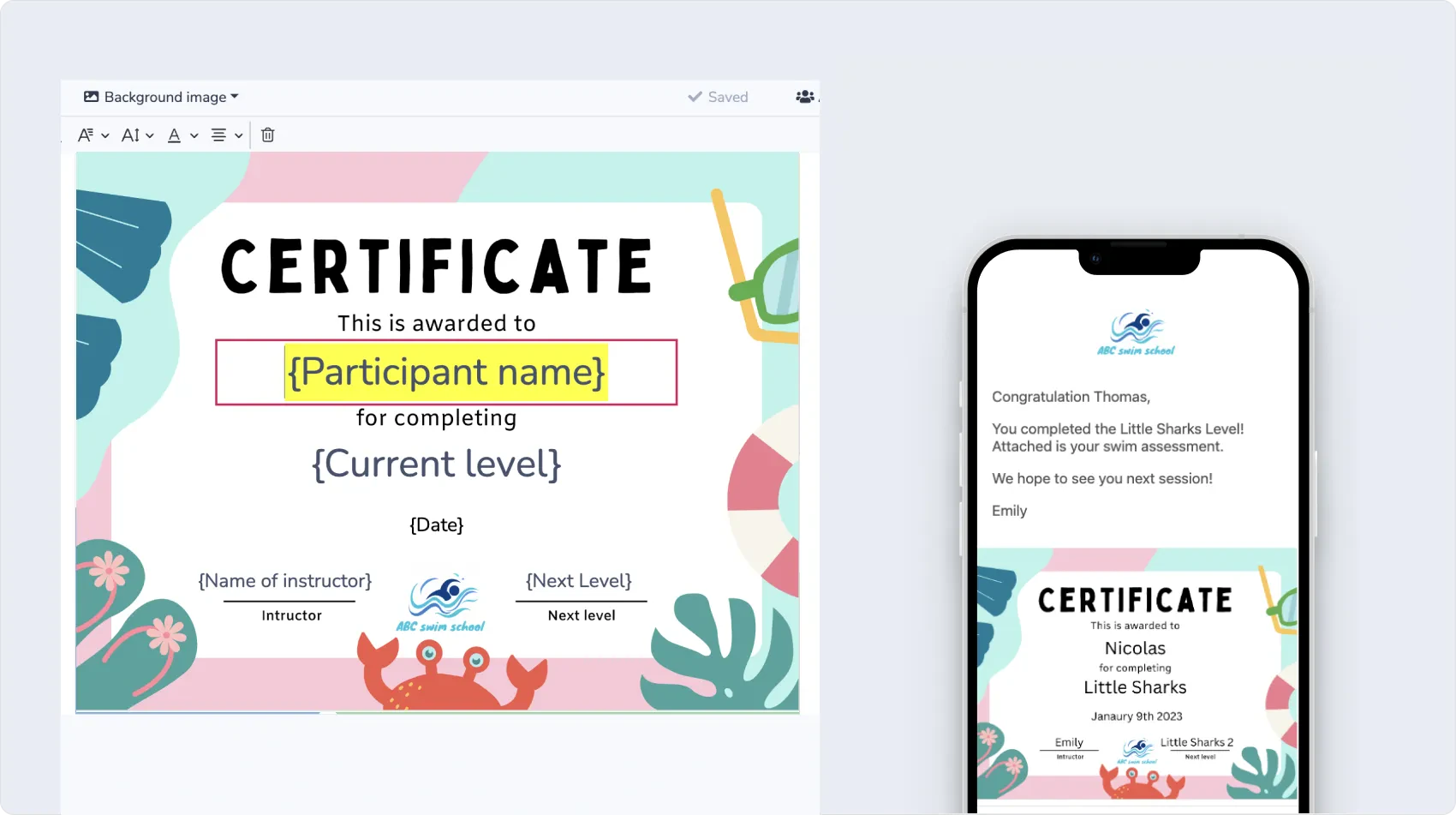
Online Swim Report Cards
This feature allows swim schools to keep parents informed of their child’s progress in real time. Digital progress reports and online swim report cards are more accessible and environmentally friendly than traditional paper reports.
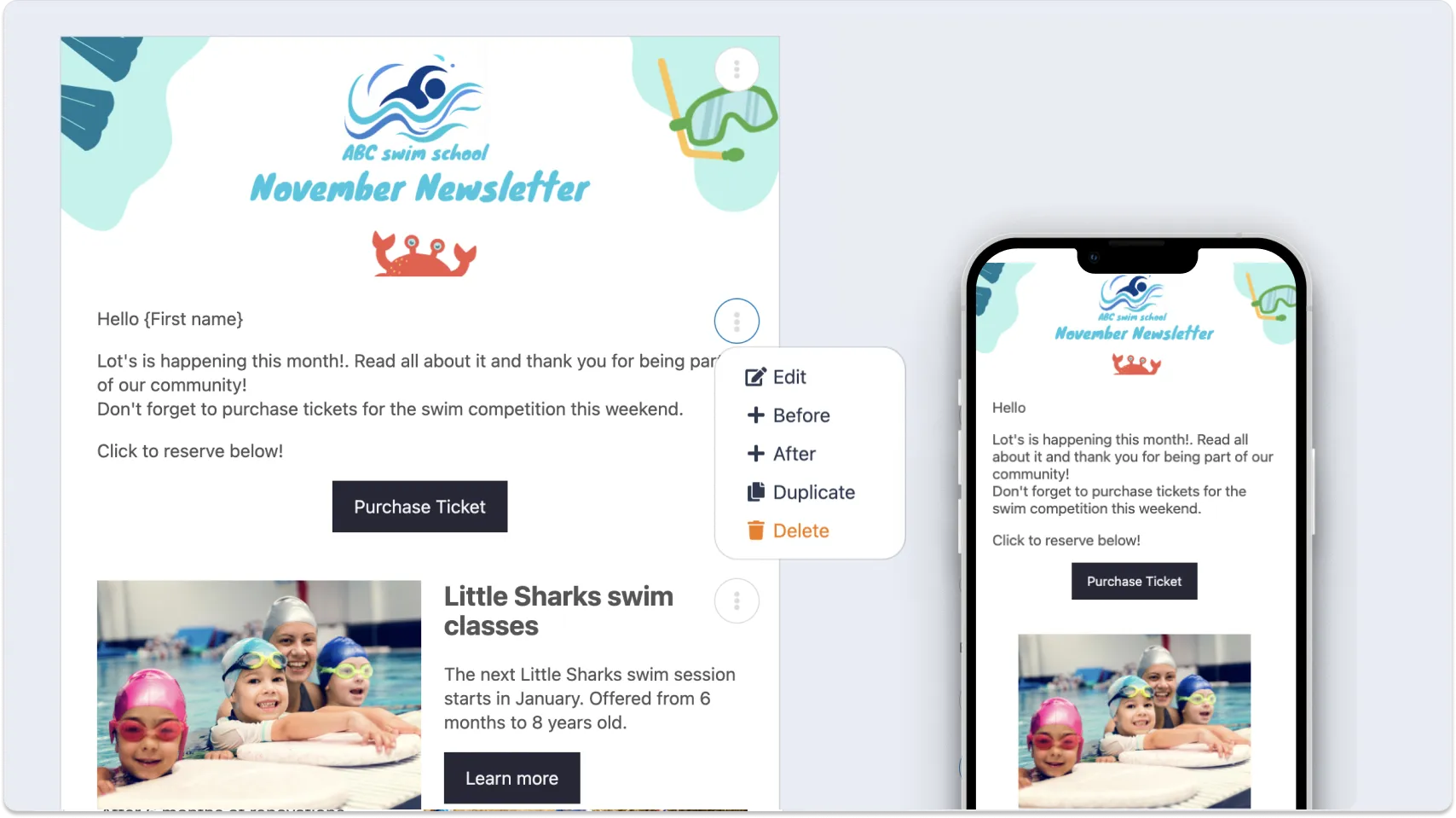
Email Marketing
Activity Messenger automates and personalizes swim school communications with built-in email marketing. This tool can efficiently manage all of your email marketing needs. Whether it’s sending promotional offers, class reminders, or educational content. Personalization increases the relevance and effectiveness of the message, as communication is targeted based on the receiver’s interactions with the swim school.
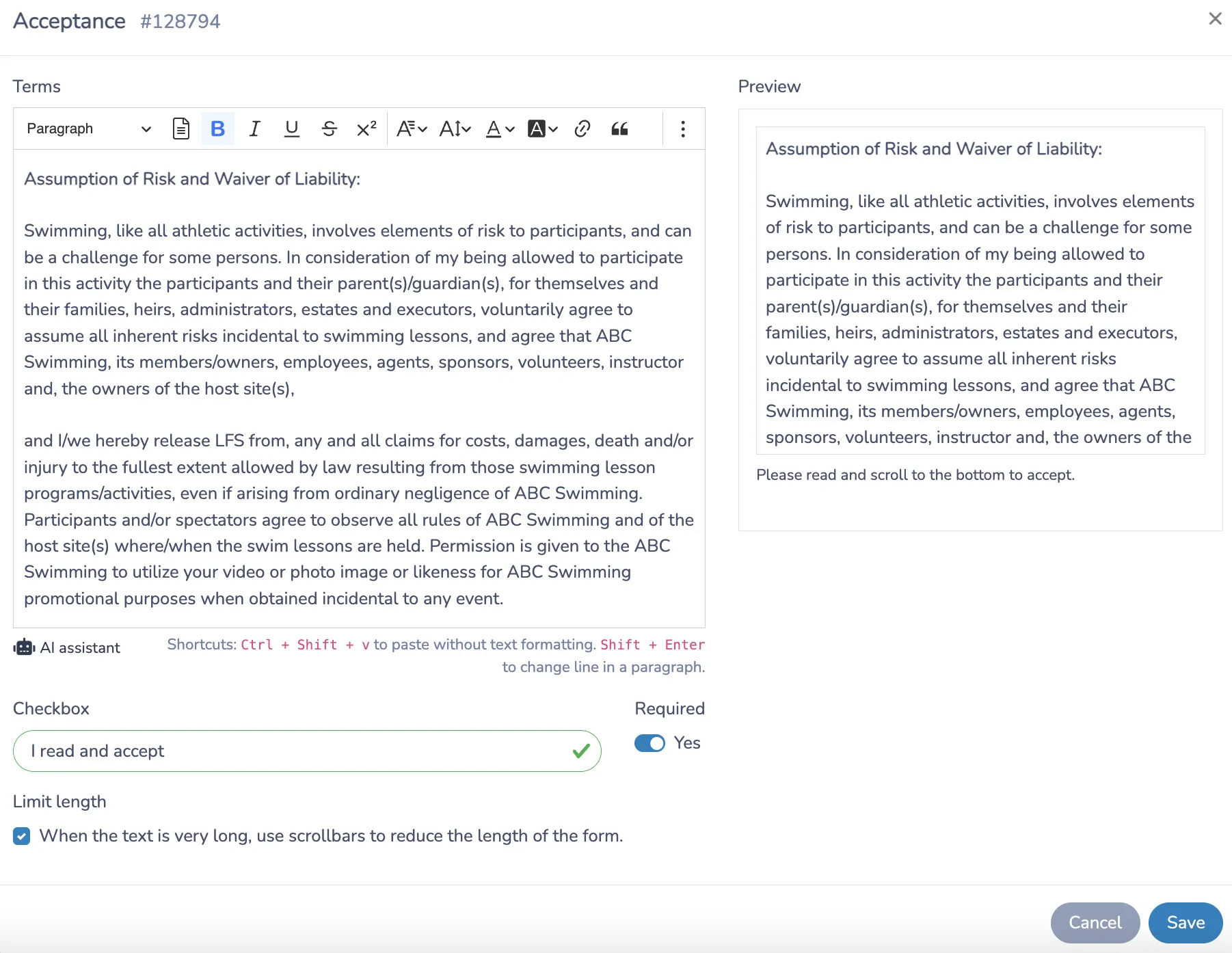
Liability Waivers
Another area where Activity Messenger can help is in digitizing liability waivers for swim lessons. You can include these waivers in your registration forms. By moving these important documents online, swim schools can significantly reduce paperwork, minimize errors and ensure the secure storage of sensitive information. This speeds up the registration process and makes things easier for parents, too.
Swim School Software
The need for swim management software is critical as swim schools grow. Activity Messenger provides a solution that also includes scheduling, billing, and customer management. This integration helps swim schools keep all of their operational data in one place, making it easier to track, analyze and make informed decisions. We keep it simple when you open your swim school, but offer all the sophistication of the best registration software, such as Jackrabbit Swim and iClassPro.
👉 By starting with an easy-to-use technology solution like Activity Messenger, new swim schools can manage their operations more efficiently and provide a better experience for their clients. Managing administrative tasks effectively allows your swim school to grow and scale, helping you open it and expand it to reach its full potential.
Step 7: Monitor and Adapt
Responding to both customer needs and the swim lesson market dynamics is essential to the success and growth of your swim school.
Mini-scenario: Registration numbers dip heading into winter session, but without data, it’s unclear whether it’s pricing, scheduling, or something in the customer experience driving families away.
Here’s how to manage these aspects effectively:
Collect Swimmer Feedback
Actively gathering and analyzing customer feedback is critical. Make it easy to provide feedback with end-of-session reminders, and use this data to refine your teaching methods and customer experience. Engaging directly with customers through feedback sessions or parent meetings can also provide deeper insights.
Financial Monitoring
When you open a swim school, it is important to pay close attention to your financial metrics. To understand your financial health, review your income statements, balance sheets and cash flow statements on a regular basis. Use this information to identify areas where costs can be reduced or where investments are paying off. Adjust your pricing structure, explore new revenue streams (such as advanced classes or seasonal camps), and cut unnecessary expenses to improve your bottom line.
Swimming Market Trends
Stay informed about the latest developments in swim teaching, safety protocols and customer service improvements. Attend industry conferences, participate in professional forums and read relevant publications to stay on the cutting edge. Also, be aware of what your competitors are doing differently or what new services they are offering.
Frequently Asked Questions
How much does it cost to start a swim school?
Costs vary widely depending on your model. Renting pool space or starting mobile lessons keeps start-up costs low, while building your own facility requires significant capital for construction, equipment, and ongoing maintenance.
Do I need to own a pool to start a swim school?
No, many successful swim schools rent time at community centres, schools, or hotel pools, or run mobile lessons at clients’ pools, avoiding the cost of owning a facility altogether.
What certifications do swim instructors need?
At a minimum, instructors should hold a recognized teaching certification from an organization like the Red Cross or your country’s national swim body, along with current CPR and first aid training. Lifeguard certification is often required, depending on your facility and local regulations.
How do I get families to enrol in my first season?
A mix of early-bird pricing, free introductory lessons, and a local social media presence tends to work well for new schools. Word of mouth from those first satisfied families is often what carries you into the second season.
What software do swim schools need to manage registrations?
Look for a platform that handles registration forms, digital waivers, payment processing, and communication in one place, so your staff aren’t juggling multiple tools during your busiest enrolment periods.
Final Thoughts
Running a swim school is demanding, but it’s also one of the more rewarding businesses you can build: you watch kids go from clinging to the wall to swimming full lengths, often in the same season.
By planning carefully, hiring certified instructors, marketing through the right channels, and implementing the right technology, you can deliver that experience while keeping your operations organized behind the scenes.
With the right foundation and systems in place, you’ll spend less time chasing down waivers and payments, and more time building the swim school families keep coming back to.
📅 Next Step: Book a free demo with Activity Messenger to see how our platform can simplify registration, automate waivers and reminders, and help you run your swim school with confidence.